ACCESS CONTROL & LPR




Access Control & License Plate Recognition Devices
Project Details:
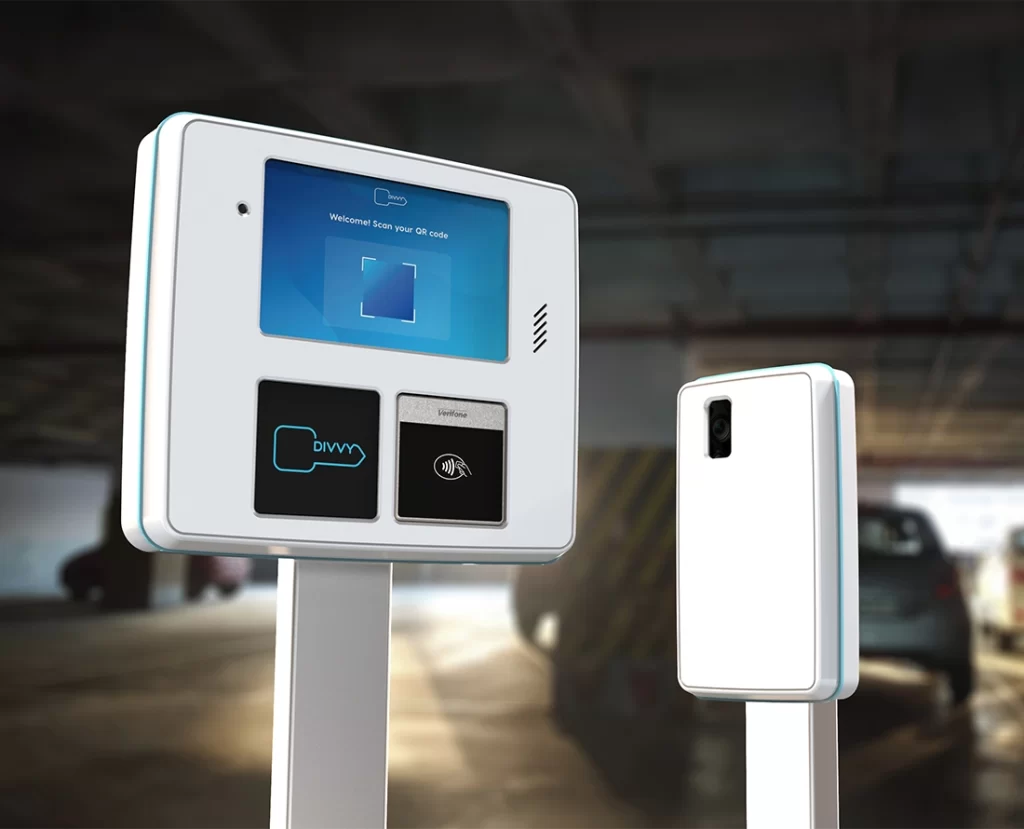
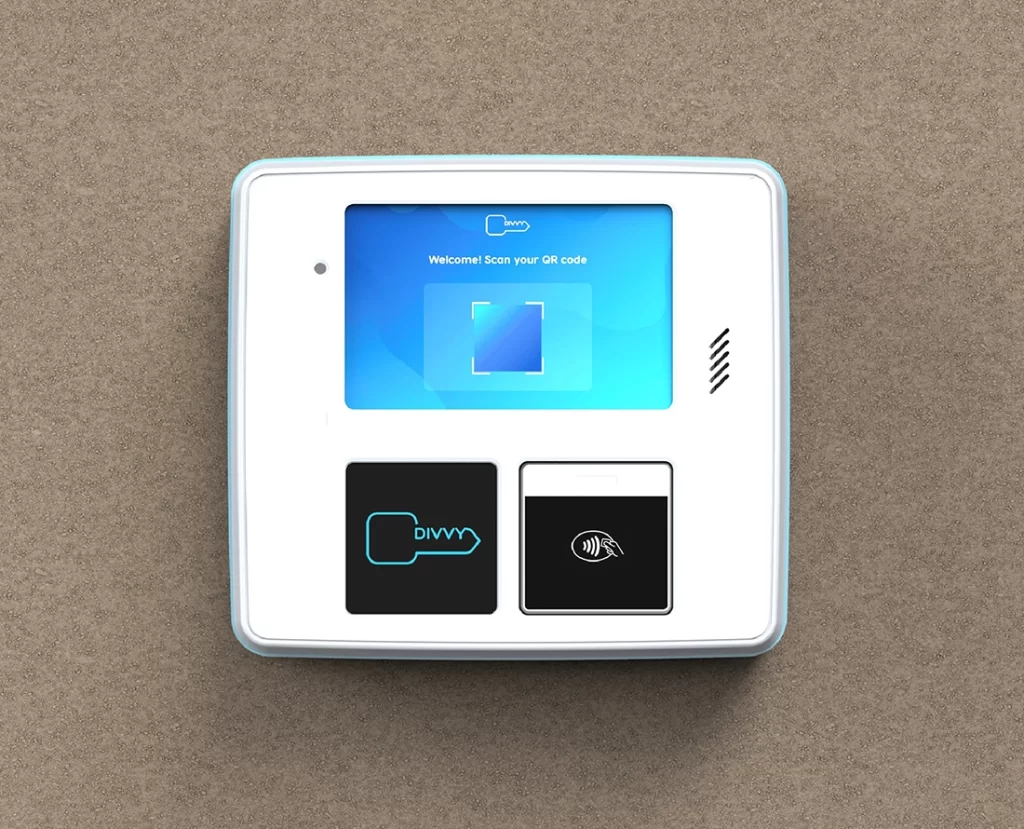
Our team worked closely with Divvy Parking to transform an existing prototype concept into a robust, cost-effective, and manufacturable access control and licence plate recognition device. The project focused on optimising the product for production while ensuring reliable integration of electronic components and suitability for deployment in demanding parking environments.
The development process began with a detailed assessment of the existing prototype design. We re-engineered the product architecture to improve manufacturability, reduce production costs for low volume manufacturing and enhance overall durability without compromising functionality. Particular attention was given to simplifying the component construction, streamlining the assembly process and ensuring the design could be produced efficiently at volume.
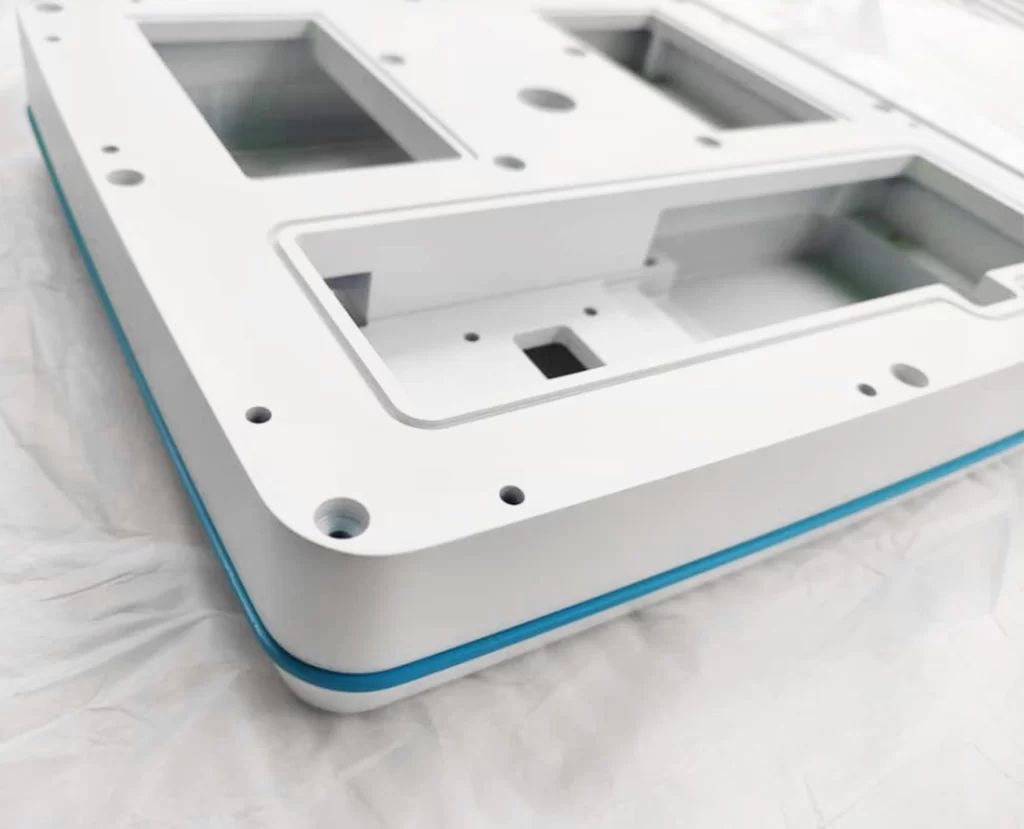
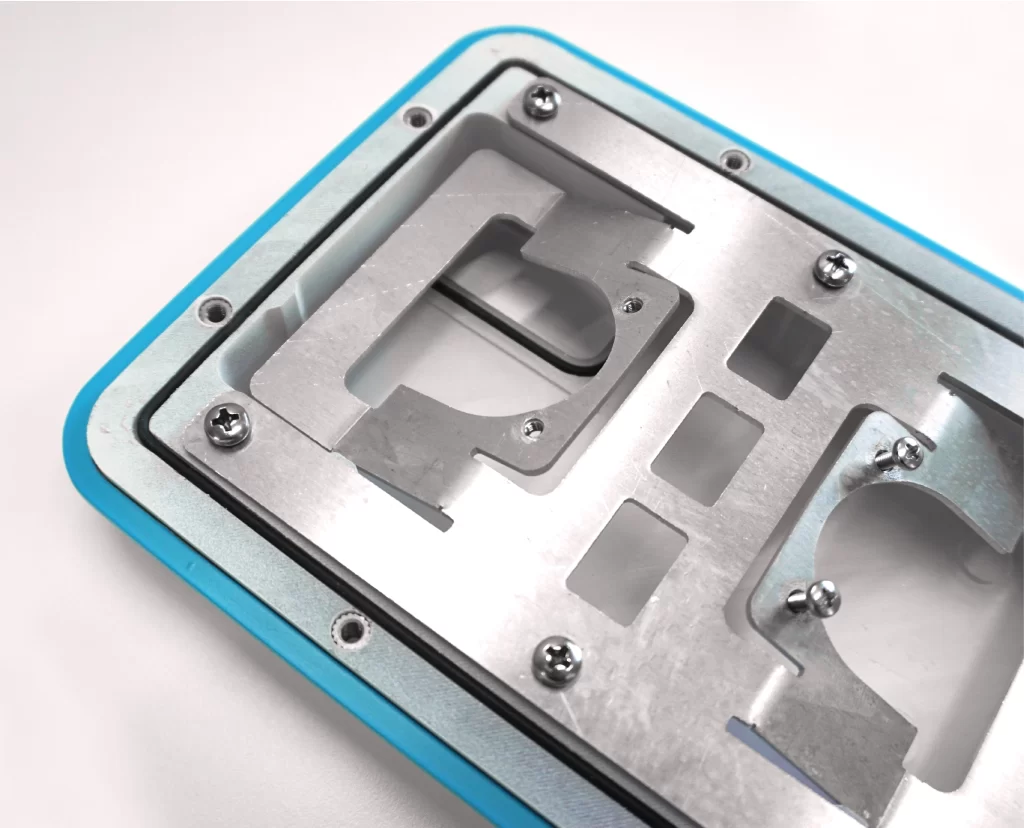
A key aspect of the project was the complete mechanical integration of the device’s electronic systems within the purpose-designed housings. We developed and detailed all plastic and metal components, creating a durable enclosure solution that protected sensitive electronics while maintaining accessibility for assembly and servicing. The final design utilised CNC-machined ABS plastic parts and fabricated aluminium sheet metal parts, providing an effective balance of strength, weather resistance, and manufacturing efficiency.
Following design finalisation, we supplied the complete range of machined and fabricated components in low volume, supporting the production and deployment of the devices across Divvy Parking’s access control and vehicle recognition systems.
The result is a reliable, production-ready solution that combines robust construction, efficient manufacturing, and seamless electronic integration. The final product delivers the performance and durability required for commercial parking and access control applications while achieving significant improvements in manufacturability and cost effectiveness
Following design finalisation, we supplied the complete range of machined and fabricated components in high volumes, supporting the production and deployment of the devices across Divvy Parking’s access control and vehicle recognition systems.
The result is a reliable, production-ready solution that combines robust construction, efficient manufacturing, and seamless electronic integration. The final product delivers the performance and durability required for commercial parking and access control applications while achieving significant improvements in manufacturability and cost effectiveness
The development process began with a detailed assessment of the existing prototype design. We re-engineered the product architecture to improve manufacturability, reduce production costs for low volume manufacturing and enhance overall durability without compromising functionality. Particular attention was given to simplifying the component construction, streamlining the assembly process and ensuring the design could be produced efficiently at volume.
A key aspect of the project was the complete mechanical integration of the device’s electronic systems within the purpose-designed housings. We developed and detailed all plastic and metal components, creating a durable enclosure solution that protected sensitive electronics while maintaining accessibility for assembly and servicing. The final design utilised CNC-machined ABS plastic parts and fabricated aluminium sheet metal parts, providing an effective balance of strength, weather resistance, and manufacturing efficiency.
Following design finalisation, we supplied the complete range of machined and fabricated components in low volume, supporting the production and deployment of the devices across Divvy Parking’s access control and vehicle recognition systems.
The result is a reliable, production-ready solution that combines robust construction, efficient manufacturing, and seamless electronic integration. The final product delivers the performance and durability required for commercial parking and access control applications while achieving significant improvements in manufacturability and cost effectiveness
Following design finalisation, we supplied the complete range of machined and fabricated components in high volumes, supporting the production and deployment of the devices across Divvy Parking’s access control and vehicle recognition systems.
The result is a reliable, production-ready solution that combines robust construction, efficient manufacturing, and seamless electronic integration. The final product delivers the performance and durability required for commercial parking and access control applications while achieving significant improvements in manufacturability and cost effectiveness